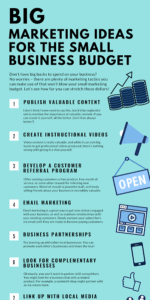
10 Content Ideas for Small Business
Running a small business is already demanding enough. You have customers to handle, products or services to improve, orders to manage and a hundred other things competing for your attention.
Then comes the question:
“What should I post today?”
If you’ve ever opened Instagram, stared at your empty caption box and had absolutely no idea what to publish, you’re not alone.
The good news is that you don’t need to become a professional content creator to market your business online.
You need a simple content strategy built around what your customers actually want to know.
In this guide, DigiPrachich shares 10 practical content ideas for small business owners that can be used across Instagram, Facebook, LinkedIn, YouTube and your website.
These ideas can help you build trust, increase engagement, attract potential customers and turn your online presence into a useful business asset.
Why Content Matters for Small Businesses
Your potential customers don’t immediately buy from every business they discover.
They usually have questions first.
They may want to know:
- Is this business trustworthy?
- Is this product worth the money?
- Does this service solve my problem?
- What makes this business different?
- What do existing customers think?
- How does the product or service work?
- Where is the business located?
- How can I contact them?
Good content helps answer these questions.
Content marketing is about creating and distributing useful information that attracts, engages and converts your target audience.
And you don’t need hundreds of posts.
You need the right content for the right audience.
Let’s look at 10 content ideas you can start using today.
1. Answer Frequently Asked Questions
One of the easiest social media content ideas for small business is also one of the most useful:
Answer the questions your customers ask repeatedly.
Think about the questions you receive through:
- Instagram DMs
- Phone calls
- Website forms
- Customer conversations
- Google reviews
Turn those questions into content.
Example
A salon could post:
“How long does a keratin treatment last?”
A bakery could post:
“How early should you order a customized birthday cake?”
A digital marketing agency could post:
“How long does SEO take to show results?”
A dentist could post:
“How often should you get a dental cleaning?”
This type of content works because you’re solving a real problem instead of trying to invent a topic.
Content formats
You can turn one question into:
- Instagram Reel
- Carousel
- Blog post
- YouTube Short
- LinkedIn post
- FAQ section on your website
Pro tip: Keep a list of every question customers ask. That list can become your content calendar.
2. Share Tips and Quick Tutorials
People love content that helps them do something better.
Create simple educational posts related to your industry.
For example:
A fitness trainer could share:
“3 mistakes beginners make at the gym.”
A clothing store could share:
“3 ways to style one white shirt.”
A bakery could share:
“How to store a cake so it stays fresh.”
A digital marketing agency could share:
“5 ways to improve your Google Business Profile.”
These posts position your business as knowledgeable while providing genuine value.
You don’t have to give away your entire service.
Just solve a small problem.
3. Show Behind-the-Scenes Content
Customers don’t only want to see what you sell.
They want to see the people and process behind the business.
Behind-the-scenes content can make a small business feel more human and relatable.
You could show:
- How an order is packed
- How a product is made
- Your workspace
- Your team
- A busy day at the business
- How you prepare for a client
- Your tools and equipment
- A new product arriving
- The process behind delivering your service
For example, a handmade jeweler business could record a short video showing how one piece is created.
A marketing agency could show how a social media campaign is planned.
A restaurant could show what happens in the kitchen before opening.
These simple moments can become powerful small business content ideas.
4. Share Customer Reviews and Testimonials
Sometimes the best person to promote your business isn’t you.
It’s your customer.
Customer reviews provide social proof and help potential customers feel more confident about choosing your business.
You can turn reviews into:
- Instagram graphics
- Reels
- Stories
- Website testimonials
- LinkedIn posts
- Case studies
For example:
“We were struggling to generate enquirers from Instagram. After improving our content strategy, we started receiving more relevant enquirers.”
Instead of simply posting the review, add context.
Explain:
What was the problem?
What did you change?
What happened afterward?
This transforms a simple testimonial into a mini case study.
5. Create Before-and-After Content
Before-and-after posts are particularly effective for businesses where your work creates a visible transformation.
Examples include:
- Interior designers
- Salons
- Makeup artists
- Fitness coaches
- Graphic designers
- Website designers
- Cleaning companies
- Renovation businesses
- Photographers
- Digital marketing agencies
For example, a web designer could show:
Before: outdated website
After: modern mobile-friendly website
A digital marketing agency could show:
Before: inconsistent social media presence
After: structured content strategy
Make the transformation clear.
Don’t just show two images.
Explain what changed and why it matters.
6. Share Your Story
People connect with stories.
Your business doesn’t have to look like a giant corporation.
In fact, being a small business can be an advantage because customers can connect with the person behind the brand.
Tell people:
- Why you started
- What problem you wanted to solve
- How the business began
- Your biggest early mistake
- What you learned
- Your business values
- Your first customer story
- Your biggest milestone
For example:
Instead of posting:
“DigiPrachi is a digital marketing agency.”
You could tell the story of why DigiPrachi was created, what businesses you want to help and what makes your approach different.
That creates a much stronger connection.
7. Create Industry Tips and Trends
Your customers don’t necessarily have time to follow every trend in your industry.
You can become the person who explains those changes to them.
For example, a digital marketing agency could discuss:
- Google algorithm changes
- SEO trends
- Social media updates
- Advertising changes
- AI marketing tools
- Content marketing trends
A fashion business could discuss:
- Seasonal trends
- Styling trends
- color trends
- New collections
A fitness business could explain:
- New training approaches
- Nutrition trends
- Common fitness myths
The key is to avoid simply repeating news.
Explain:
“What does this mean for my customer?”
That’s where your expertise becomes valuable.
8. Turn Customer Problems Into Content
This is one of the most powerful content marketing ideas for small business.
Instead of starting with:
“What do I want to post?”
Start with:
“What problem does my customer have?”
For example:
A dentist’s customer may think:
“My teeth look yellow. What can I do?”
A restaurant customer’s problem may be:
“Where can I find a good family dinner nearby?”
A digital marketing client’s problem may be:
“Why am I getting website visitors but no enquirers?”
Each problem can become a piece of content.
Simple formula:
Customer problem → useful explanation → solution → CTA
For example:
Problem: Your website gets traffic but no leads.
Explanation: Your landing page may not clearly communicate your offer.
Solution: Improve the headline, benefits, trust signals and CTA.
CTA: Get a free website audit.
This type of content can naturally lead people toward your service.
9. Share Useful Checklists
Checklists are excellent because they are easy to understand and easy to save.
For example:
Small Business Instagram Checklist
☐ Professional profile photo
☐ Clear bio
☐ Contact information
☐ Link to website
☐ Consistent branding
☐ Useful highlights
☐ Customer reviews
☐ Regular educational content
Or:
Local SEO Checklist
☐ Google Business Profile
☐ Correct business information
☐ Business category
☐ Website link
☐ Customer reviews
☐ Location-based content
☐ Consistent business details
You can turn a checklist into a carousel, downloadable PDF, blog post or lead magnet.
10. Create Offers and Promotional Content
Educational content is important.
But eventually, you also need to tell people what you sell.
Many small businesses make one of two mistakes:
They sell in every post.
Or:
They never sell at all.
A better strategy is to mix educational, engaging, trust-building and promotional content.
Your promotional posts could include:
- New product announcements
- Discounts
- Limited-time offers
- Free consultations
- Free audits
- Packages
- Seasonal offers
- New services
For DigiPrachi, an example could be:
“Is your business getting views but not leads? Get a free 15-minute digital marketing audit from DigiPrachich.”
Keep the offer clear.
Tell people:
What are you offering?
Who is it for?
What problem does it solve?
What should they do next?
How to Turn 10 Content Ideas Into 30 Posts
Here’s the fun part.
You don’t need 30 completely different ideas.
Take one idea and re-purpose it.
For example:
Topic:
“5 SEO mistakes small businesses make.”
Turn it into:
Post 1: Instagram carousel
Post 2: 30-second Reel
Post 3: LinkedIn post
Post 4: Blog section
Post 5: Instagram Story quiz
One idea can become multiple pieces of content.
This makes content creation much easier for a small business owner who doesn’t have a dedicated marketing team.
A Simple Weekly Content Plan for Small Businesses
If you’re wondering how often you should post, start with a manageable schedule.
Monday — Educational
Share a useful tip or tutorial.
Tuesday — Engagement
Ask your audience a question or create a poll.
Wednesday — Trust
Share a testimonial, review or behind-the-scenes post.
Thursday — Educational
Answer a common customer question.
Friday — Promotional
Show your product, service or current offer.
You don’t need to publish seven days a week.
Consistency and usefulness matter more than simply increasing the number of posts.
How to Choose the Right Content for Your Business
Not every content idea will work for every business.
Before creating a post, ask yourself:
1. Does my audience care about this?
If your ideal customer doesn’t care, don’t post it just because it’s trending.
2. Does it solve a problem?
Useful content has a reason to exist.
3. Does it build trust?
Your content should gradually show people that you understand your industry.
4. Does it support my business goal?
Your content should eventually help with awareness, engagement, leads or sales.
5. Can I re-purpose it?
If one idea can become five pieces of content, even better.
Common Content Mistakes Small Businesses Should Avoid
Posting Only Promotional Content
If every post says “BUY NOW,” people may stop paying attention.
Balance promotional content with useful information, education and social proof.
Copying Competitors
Your competitors can provide inspiration, but your content should reflect your own expertise, customers and experiences.
Posting Without a Strategy
Random posting can make content creation exhausting.
Create a few content categories and rotate between them.
Ignoring Customer Questions
Your customers are already telling you what content they need.
Listen to them.
Chasing Every Trend
A trend isn’t automatically useful for your business.
Use trends when they make sense for your audience and brand.
Final Thoughts
Creating content for a small business doesn’t have to be complicated.
You don’t need expensive equipment or a huge marketing team.
Start with the information you already have.
Your customer questions.
Your experiences.
Your products.
Your services.
Your reviews.
Your mistakes.
Your expertise.
All of these can become content.
The best content ideas for small business are often hiding inside the business itself.
Start with these 10:
- Frequently asked questions
- Tips and tutorials
- Behind-the-scenes content
- Customer reviews
- Before-and-after posts
- Your business story
- Industry tips and trends
- Customer problems
- Checklists
- Offers and promotions
Then test what your audience responds to.
Look at saves, shares, comments, website visits, enquirers and conversions—not just likes.
And remember:
You don’t need to create more content. You need to create more useful content.
Frequently Asked Questions
What should a small business post on social media?
A small business can post educational tips, FAQs, customer reviews, behind-the-scenes content, product demonstrations, industry information, customer stories, checklists and promotional offers.
How often should a small business post on social media?
There is no universal number that works for every business. A manageable schedule of several useful posts per week can be a good starting point. Consistency and relevance are more important than posting simply to increase volume.
What is the best content for small businesses?
The best content answers customer questions, solves problems, demonstrates expertise, builds trust or helps customers understand a product or service.
How can I get more content ideas for my business?
Start by collecting customer questions, reviews, common objections, frequently requested services and problems your customers face. These can become blog posts, Reels, carousels, videos and other content formats.
Can one content idea be used on multiple platforms?
Yes. A single topic can be repurposed into an Instagram carousel, Reel, LinkedIn post, blog section, YouTube Short and Story. Adapt the format and message to each platform rather than simply copying the exact same post.
How can DigiPrachich help my small business?
DigiPrachich can help businesses build a stronger online presence through services such as digital marketing, SEO, social media marketing, paid advertising, content marketing and website solutions.
Want to know what your business should improve first? Get a digital marketing audit from DigiPrachi.